NeuroStar® TMS Therapy
FDA-cleared, non-medication depression treatment
Existing Patients For Providers →
(855) 940-4867

What if we told you there is an option for treating depression without medications?
National TMS Awareness Day is dedicated to increasing awareness of Transcranial Magnetic Stimulation (TMS) therapy. It is an FDA-cleared, non-invasive, non-drug treatment for depression that is often recommended to individuals who have not found relief with antidepressants. As awareness grows, more people are discovering TMS therapy as a clinically proven option for managing major depressive disorder without the typical side effects of medications.
NeuroStar TMS is a non-drug, non-invasive treatment option that, in a real-world study, patients had an 83% response rate to treatment.1 62% of those patients actually achieved remission from their depression.1
Let’s work together to reduce the stigma surrounding depression and mental health treatments.
Let’s Talk TMS.
Depression is one of the most common mental health conditions in the world, affecting more than 21 million adults in the United States.2 For many people, antidepressants or talk therapy provide meaningful relief. But for a significant portion of people living with depression, medications simply don’t deliver the results that they need.
National TMS Awareness Day shines a spotlight on the benefits of Transcranial Magnetic Stimulation (TMS) therapy for those who have not found relief with traditional treatment options. It is a day dedicated to education and advocacy, aiming to expand awareness of TMS therapy as a treatment for depression and promote an innovative treatment option.
NeuroStar TMS is one of the most widely known and studied TMS systems used today. TMS provides a non-medication path forward and hope for those who have struggled with medication side effects or limited relief from traditional therapies.
NeuroStar TMS is FDA-cleared, non-drug, and non-invasive. TMS uses focused magnetic pulses to reignite dormant synapses in the brain and help your brain function the way it was meant to.3,4
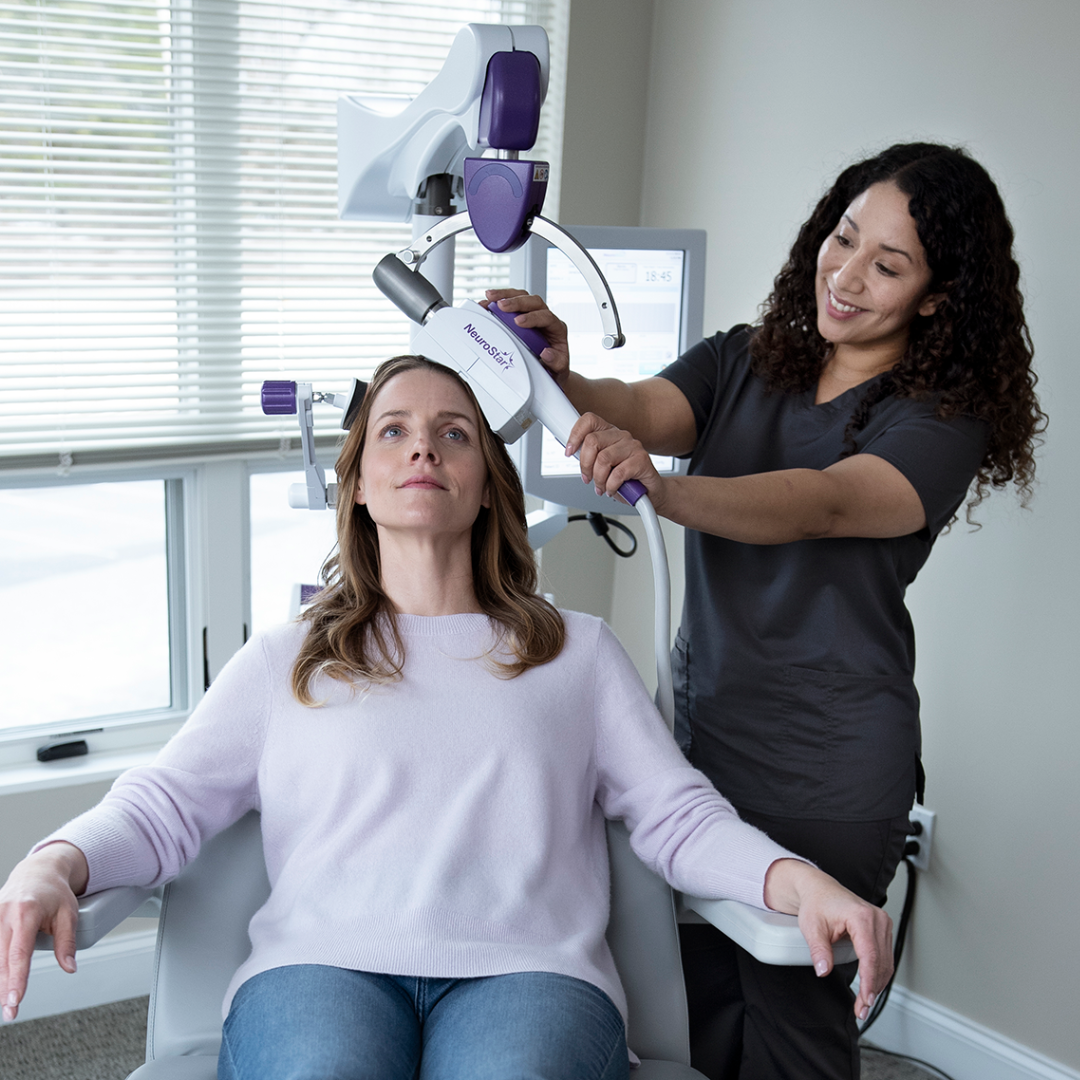
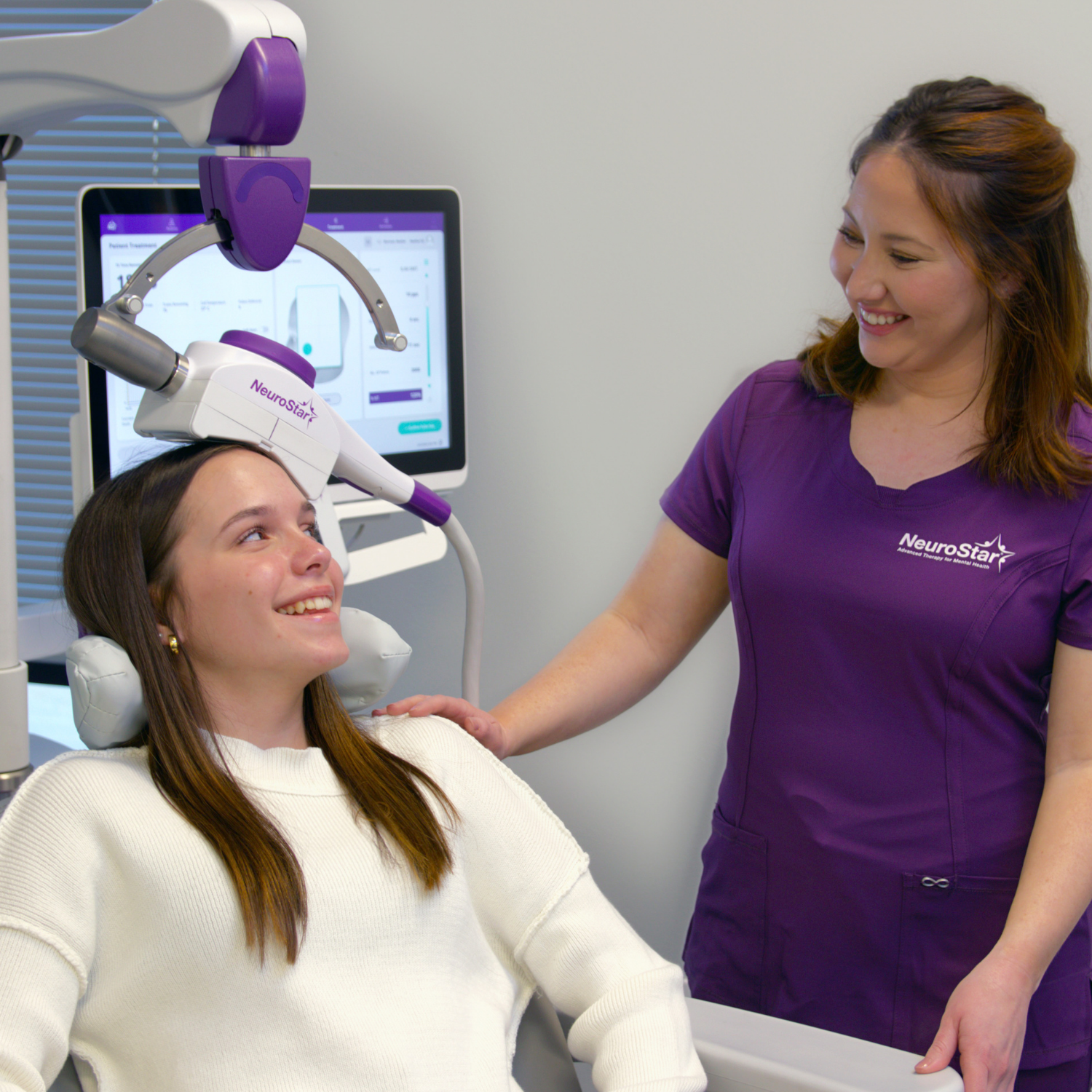
In a NeuroStar TMS treatment session, a trained mental health provider places an electromagnetic coil against your head. The coil emits focused magnetic pulses that stimulate a part of the brain involved in mood regulation, especially the left dorsolateral prefrontal cortex, an area that may be underactive when someone is suffering from depression.
Treatments are given in a clinic, 5 days a week for 6-7 weeks, and you remain fully alert during sessions. There is no recovery period, so you can return to your normal routine and activities after treatment.5
Providing educational resources and promoting conversations about mental health is important today, and every day. By highlighting TMS therapy, we can pave the way for better futures and provide those struggling with depression with a path toward feeling better.
Understanding and discussing TMS therapy increases the acceptance of diverse depression treatments. Together, we can start and contribute to productive conversations about mental health and provide hope to those who are struggling with depression and have not found adequate relief.

Take our short quiz to see if TMS therapy or nasal esketamine could be right for you
Subscribe for mental health, self-care, and TMS therapy and nasal esketamine updates for those affected by treatment-resistant depression or OCD.
By providing your email address, you are consenting to receive blog updates from Greenbrook TMS Inc. You may unsubscribe from these alerts at any time by following the “unsubscribe” link at the bottom of email alerts. At Greenbrook TMS Inc. we take the privacy and security of your personal information seriously. To learn more about how we protect your personal information, please refer to our Privacy Policy.

Greenbrook supports an accessible internet. If you have any questions about our accessibility features, please contact us at
(855) 940-4867 or info@greenbrooktms.com.