NeuroStar® TMS Therapy
FDA-cleared, non-medication depression treatment
Existing Patients For Providers →
(855) 940-4867
Every July, the mental health community pauses to recognize something that often goes unspoken: the mental health needs of Black, Indigenous, and People of Color (BIPOC) remain among the most underserved in the United States. Known as Bebe Moore Campbell National Minority Mental Health Awareness Month, named for the acclaimed author and advocate who dedicated her life to illuminating mental health struggles in communities of color, this month is both a celebration of resilience and a call to action.
At Greenbrook Mental Wellness Centers, we believe that healing is for everyone. This month, we want to honor the BIPOC community by raising awareness, confronting uncomfortable truths, and sharing the innovative, accessible treatment options that may help bridge the care gap.
According to a 2023 KFF survey, while roughly half of White adults in fair or poor mental health received treatment in the past three years, only 39% of Black adults and 36% of Hispanic adults did the same.1 In 2022, among adults with any mental illness, Hispanic (40%), Black (38%), and Asian (36%) adults were significantly less likely than White adults (56%) to receive mental health services.2
Perhaps most striking: people who identify as two or more races are the most likely of any group to report experiencing a mental illness in the past year — at 25% — yet continue to face some of the highest barriers to culturally competent care.3
These aren't just statistics. They represent real people — neighbors, parents, coworkers, friends — who are suffering in silence.
The barriers to mental health care in BIPOC communities are layered and systemic. They include:
According to the American Psychological Association, mental illness among BIPOC communities is often more persistent. It leads to a disproportionately high burden of disability — not because these communities are more vulnerable by nature, but because sustained, appropriate care is harder to access.4
One of the most important messages we want to share this month is this: antidepressants and talk therapy aren’t the only options for depression. NeuroStar TMS and SPRAVATO® are two effective treatment options for those with treatment-resistant depression.
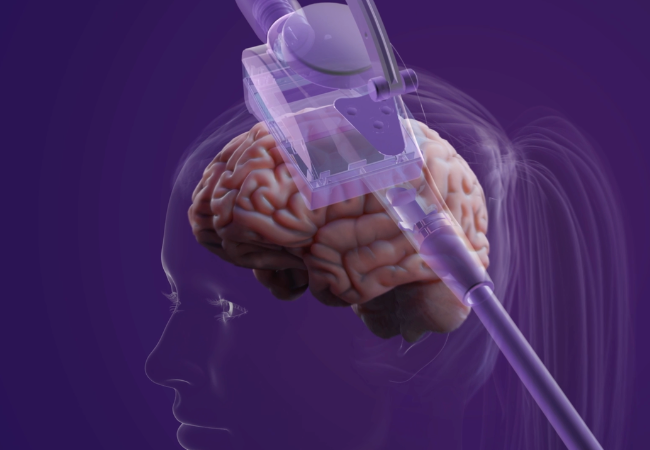
NeuroStar TMS Therapy (Transcranial Magnetic Stimulation) is an FDA-cleared, non-invasive treatment for depression that uses focused magnetic pulses to stimulate areas of the brain associated with mood regulation. Unlike antidepressants, TMS does not carry the same common drug-related side effects — such as weight gain, gastrointestinal disruption, and sleep interference. Sessions are typically less than 20 minutes, and patients can drive themselves to and from appointments and return to their daily routines immediately afterward.
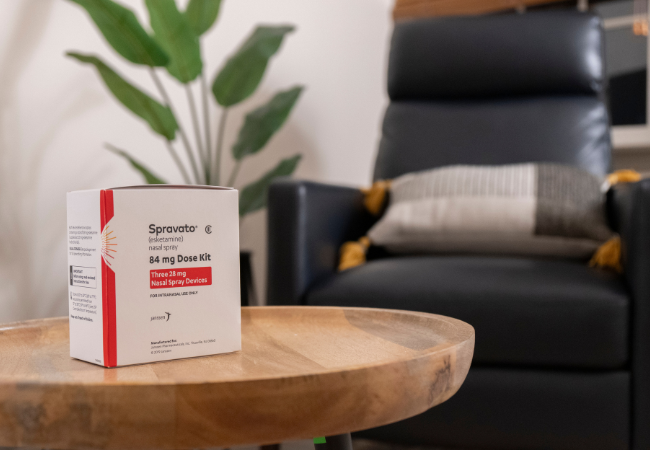
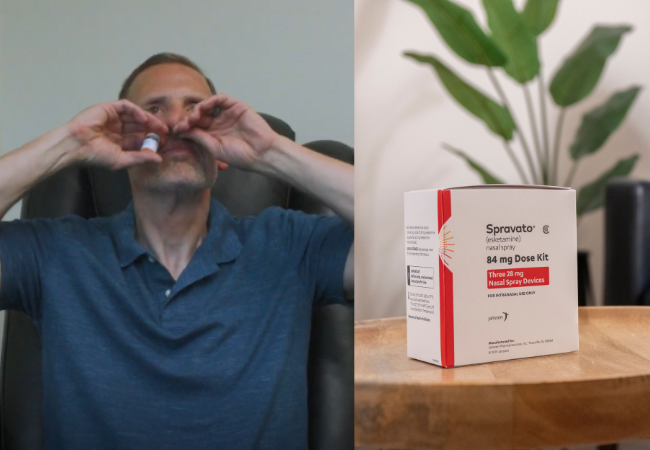
SPRAVATO® (esketamine) is an FDA-approved nasal spray for adults with treatment-resistant depression or major depressive disorder with suicidal thoughts. It represents a breakthrough for patients who haven't responded to traditional antidepressants.
For BIPOC individuals who have experienced side effects from medications, distrust of pharmaceutical treatments, or who simply haven't found relief through traditional therapy, these options offer a meaningful new path forward.
Greenbrook was built on the belief that no one should have to struggle in silence through their depression. We also know that the barriers between BIPOC communities and depression treatment are real, and our responsibility is to do our part to lower them.
This July, we encourage everyone to:
Mental health care is not a luxury. It is not a sign of weakness. It is a fundamental part of living fully, and every person deserves access to it.
If you or someone you love is struggling with depression, Greenbrook is here. Our team is ready to answer your questions, verify your coverage, and walk you through every step of the journey. Our mission is your remission from depression.
Call us at (855) 940-4867 or schedule a no-cost consultation online with a knowledgeable team member.
References

Take our short quiz to see if TMS therapy or nasal esketamine could be right for you
Subscribe for mental health, self-care, and TMS therapy and nasal esketamine updates for those affected by treatment-resistant depression or OCD.
By providing your email address, you are consenting to receive blog updates from Greenbrook TMS Inc. You may unsubscribe from these alerts at any time by following the “unsubscribe” link at the bottom of email alerts. At Greenbrook TMS Inc. we take the privacy and security of your personal information seriously. To learn more about how we protect your personal information, please refer to our Privacy Policy.

Greenbrook supports an accessible internet. If you have any questions about our accessibility features, please contact us at
(855) 940-4867 or info@greenbrooktms.com.