NeuroStar® TMS Therapy
FDA-cleared, non-medication depression treatment
Existing Patients For Providers →
(855) 940-4867
Depression doesn't wait until adulthood. For a growing number of teens and young adults, it shows up in the middle of algebra homework, at lunch tables, and long after the lights go out at night. Teen Mental Health Awareness Month is a time to shine a light on just how many young people are struggling and to talk openly about the treatment options available when the usual approaches haven't worked.
At Greenbrook Mental Wellness Centers, we know how frightening it can be to watch a teenager you love struggle with depression, especially when medication and talk therapy haven't provided the relief they need. That's why we're proud to offer NeuroStar® TMS, the first FDA-cleared Transcranial Magnetic Stimulation therapy add on treatment for adolescents and young adults ages 15–21 with Major Depressive Disorder (MDD).¹
Talking about teen mental health means being honest about the scope of the problem. Recently published data paints a sobering picture:
These aren't just statistics. Behind every percentage point is a teenager trying to get through the school day, a young adult starting college or a first job, or a family trying to figure out what to do next.
Antidepressant medication and talk therapy remain important treatments for adolescent depression. But for many teens, these approaches come with real limitations. Some don't respond fully to medication. Others struggle with side effects like weight changes, fatigue, or emotional blunting during a time when they're already navigating identity, friendships, and academic pressure. And some simply need an additional option beyond what medication and therapy alone can offer. This is where NeuroStar TMS comes in as an adjunct treatment option for adolescents ages 15-21.
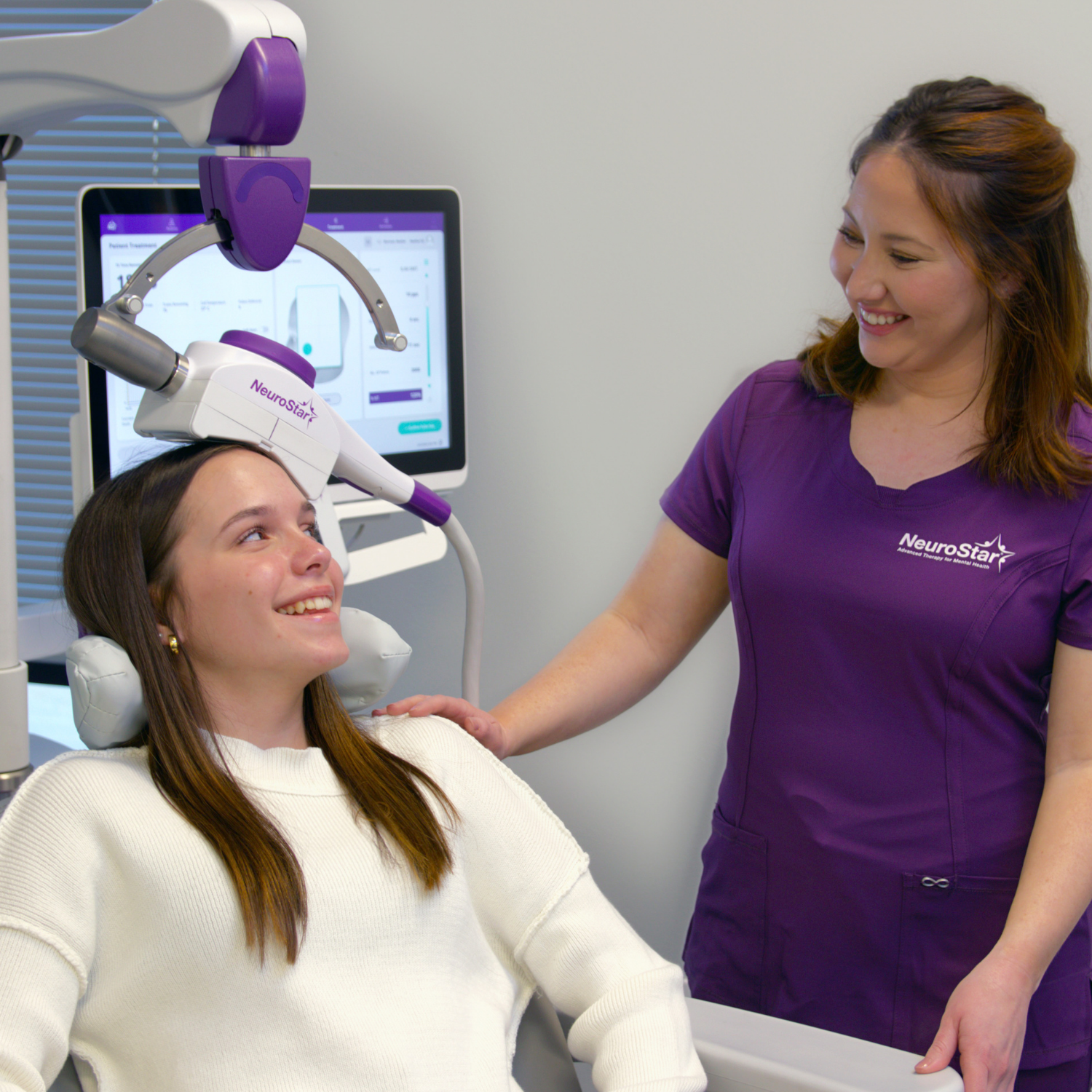
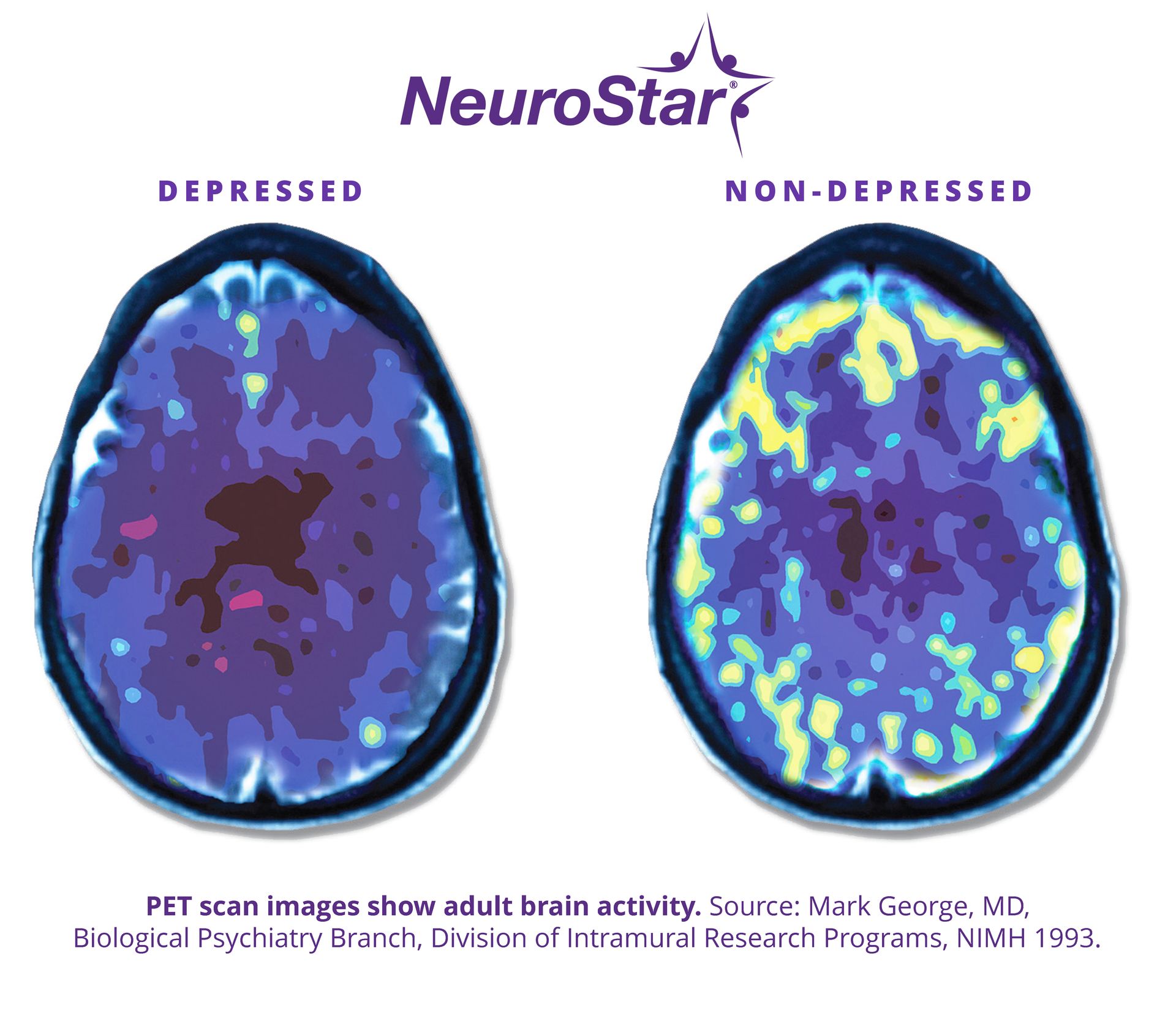
NeuroStar TMS (Transcranial Magnetic Stimulation) is a non-drug, non-invasive treatment that goes right to the source of depression, the brain. During a session, a trained provider places a cushioned coil gently against the patient's scalp. The coil delivers focused magnetic pulses to the areas of the brain involved in mood regulation, helping to "wake up" underactive regions and restore healthier brain activity.⁶ It's often described as physical therapy for the brain.
Because NeuroStar TMS doesn't involve medication, it avoids many of the systemic side effects associated with antidepressants. Most patients report only mild, temporary side effects like scalp discomfort or headache at the treatment site.⁷ Patients remain fully awake and alert throughout each session, and there's no downtime afterward so teens can go straight back to class, practice, or the rest of their day.
In March 2024, the FDA expanded NeuroStar's clearance to include adolescent and young adult patients ages 15–21 with MDD, making it the first TMS therapy cleared for this age group as an adjunct treatment.⁸ That decision was supported by data from more than 1,100 adolescents, among whom 78% experienced clinically meaningful improvement in their depression symptoms.⁹ Additional real-world outcomes data presented since then have shown nearly 60% of adolescent patients reaching remission from their depression.¹⁰
For families who have felt like they've run out of options, this milestone matters. It means a scientifically studied, non-drug therapy is now available specifically for the teens and young adults who need it most.
Whether you're a parent, teacher, coach, or friend, you don't have to be a mental health professional to make a difference. Checking in, listening without judgment, and taking a teen's feelings seriously, even when they're hard to understand, can open the door to getting help. If a teen in your life has already tried antidepressants or therapy without the relief they were hoping for, it may be worth asking their provider whether NeuroStar TMS could be part of their care plan.
This Teen Mental Health Awareness Month, let's keep the conversation going. While depression in teens and young adults is common, it's treatable. And no one should have to face it alone.
If you or a teen in your life is struggling with depression, Greenbrook Mental Wellness Centers is here to help. Schedule a no-cost consultation with a knowledgeable member of our team to learn whether NeuroStar TMS may be the right next step.
If you or someone you know is in crisis, call or text 988 to reach the Suicide & Crisis Lifeline, available 24/7.

Take our short quiz to see if TMS therapy or nasal esketamine could be right for you
Subscribe for mental health, self-care, and TMS therapy and nasal esketamine updates for those affected by treatment-resistant depression or OCD.
By providing your email address, you are consenting to receive blog updates from Greenbrook TMS Inc. You may unsubscribe from these alerts at any time by following the “unsubscribe” link at the bottom of email alerts. At Greenbrook TMS Inc. we take the privacy and security of your personal information seriously. To learn more about how we protect your personal information, please refer to our Privacy Policy.


Greenbrook supports an accessible internet. If you have any questions about our accessibility features, please contact us at
(855) 940-4867 or info@greenbrooktms.com.