NeuroStar® TMS Therapy
FDA-cleared, non-medication depression treatment
Existing Patients For Providers →
(855) 940-4867

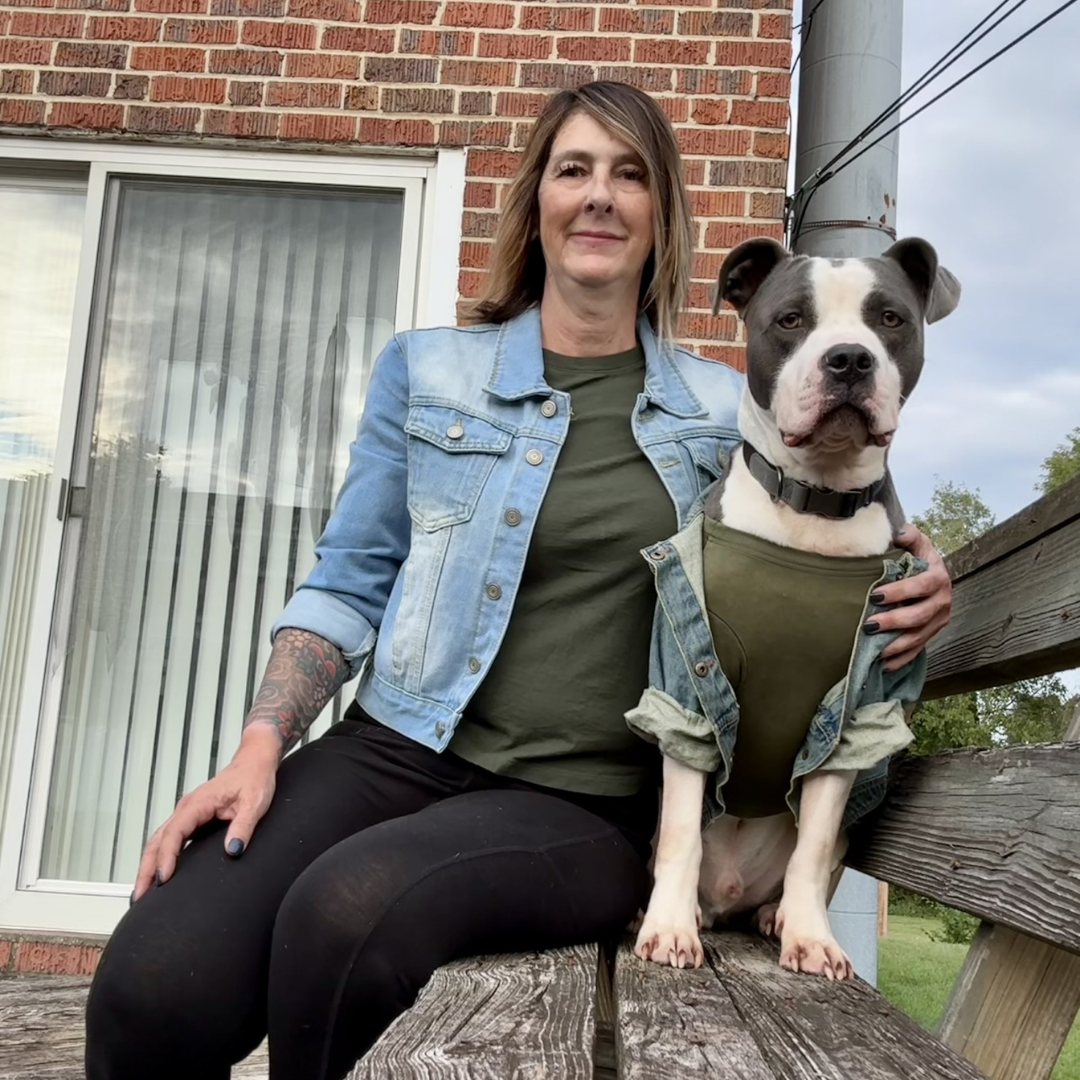
Like millions of Americans living with depression, OCD, and depression with anxiety, Briana had tried multiple treatment paths: therapy, medications, and natural remedies for her mental health care. Nothing worked or provided lasting relief from her depression, until she discovered NeuroStar TMS therapy at Greenbrook Mental Wellness Centers.
In 2024, Briana considered taking her own life. Her depression and mental health were heavily impacting her relationships with her wife and her children, and her friendships had all but disappeared. She had withdrawn from the world, becoming, in her own words, “an extended recluse.”
Depression affects more than 21 million adults in the United States, and for many, antidepressants and traditional therapy don’t provide substantial relief.1 Briana knows this reality all too well. “I felt like I had tried everything,” she shared. “Then I saw an ad for Greenbrook and TMS and it saved my life.” This experience is, unfortunately, common across mental health care.
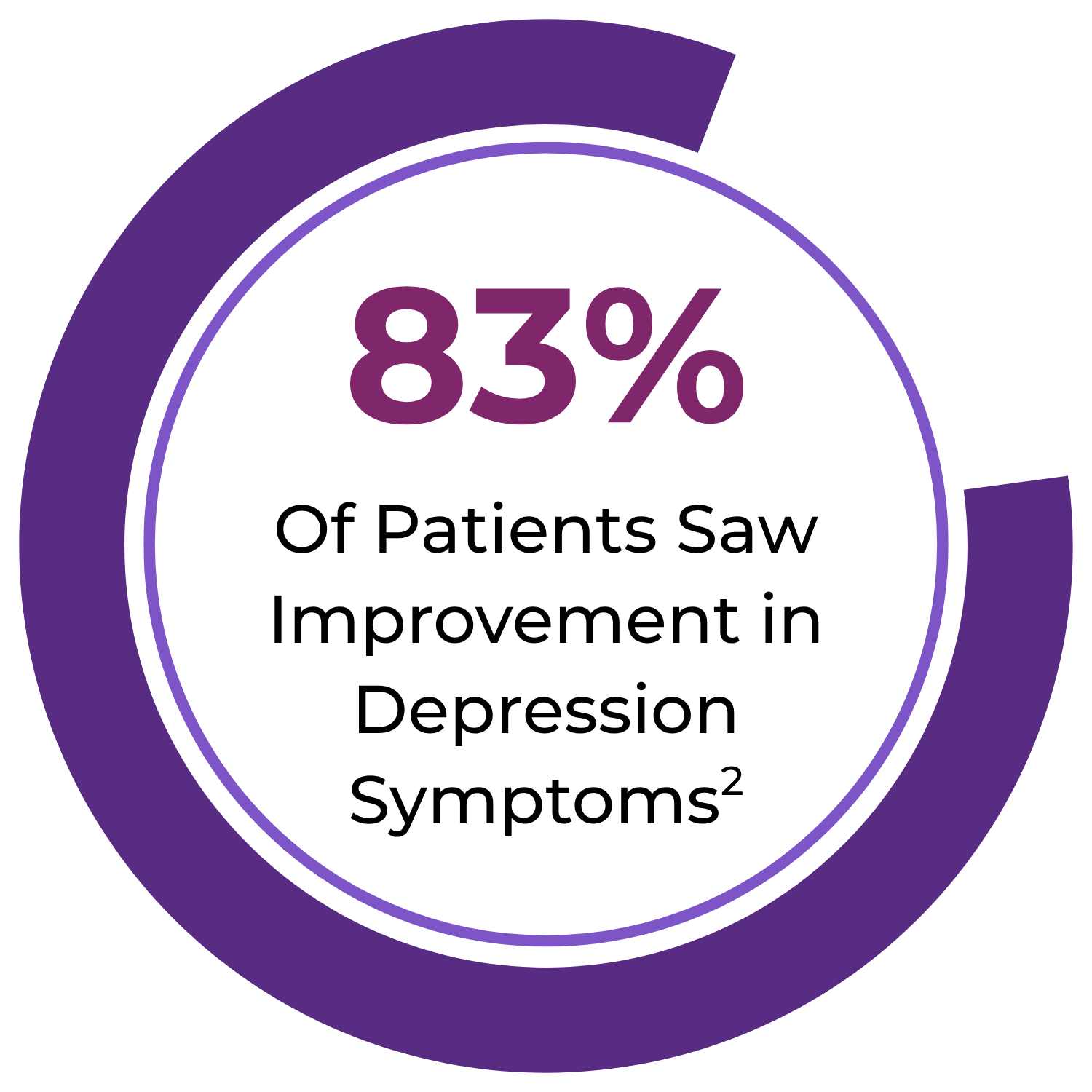
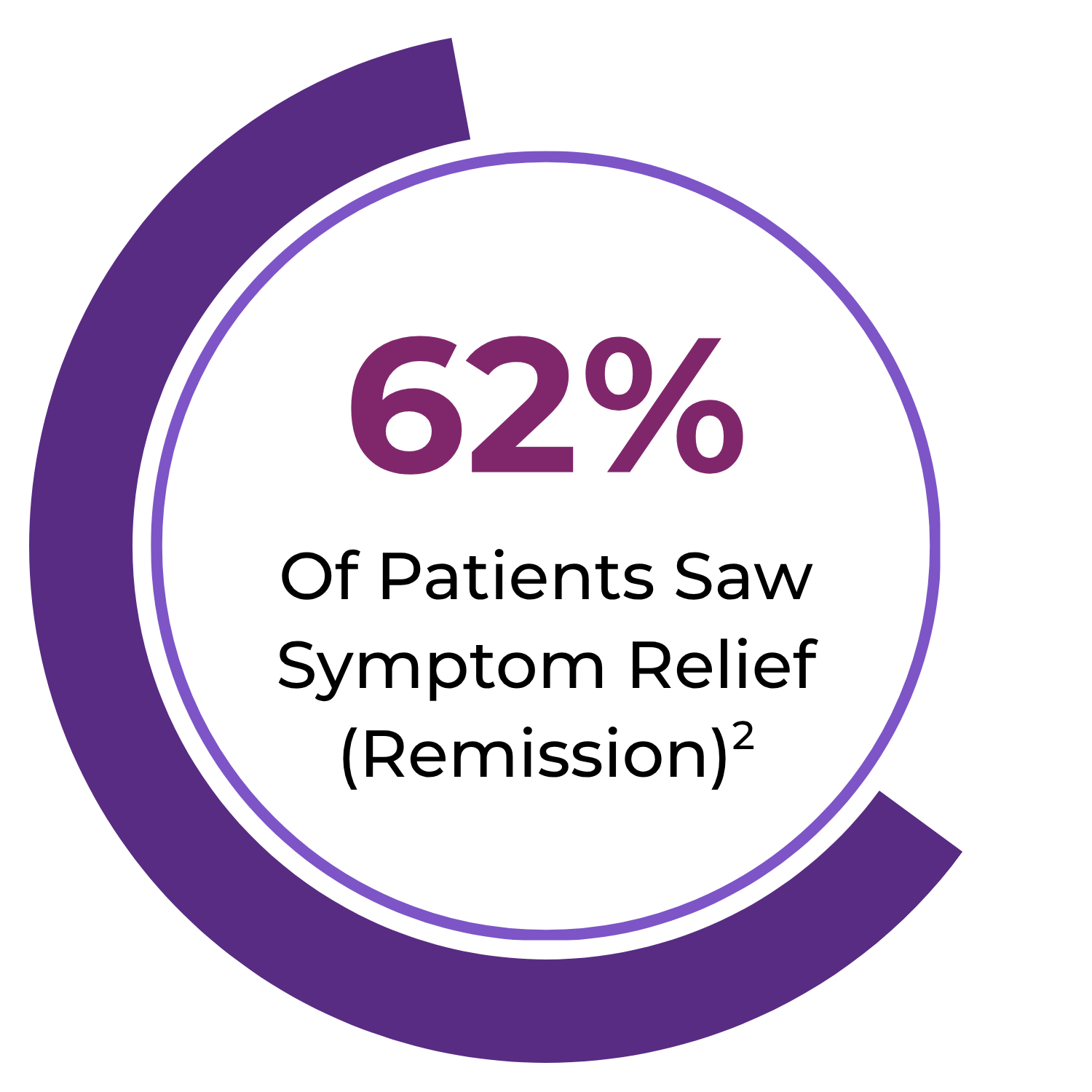
Transcranial Magnetic Stimulation (TMS) is an FDA-cleared, non-invasive treatment for major depressive disorder. NeuroStar TMS, the technology used at Greenbrook, delivers targeted magnetic pulses to the areas of the brain responsible for mood regulation. In fact, in a real-world study 83% of patients experienced meaningful symptom improvement, and 62% achieved remission, meaning their depression effectively went away.2
Briana describes her first impression of the process: “NeuroStar TMS isn’t scary. Greenbrook takes great care of you. They put you in a reclined chair, position it for your comfort, slide the pieces to the correct position on your head, and then a tapping sound starts that feels like a slight tap or a muscle twitch. Less than 20 minutes later, you’re done.”
Each session is quick, comfortable, and requires no anesthesia or recovery time. Patients can drive themselves after treatment and return to daily activities immediately.
A typical NeuroStar TMS therapy journey takes place over 6-7 weeks, and Briana’s experience reflects what many patients notice: “Slowly throughout the treatment journey, I started feeling lighter, happier, and the negatives didn’t feel suffocating,” she recalls.
Her wife became a key witness to Briana’s progress and often noticed changes before Briana could see them herself. “She motivated me and kept me going,” Briana says. “She also helped me see differences in myself throughout the treatment before I did.”
The results Briana experienced after completing her TMS treatment at Greenbrook have been profound. “For the first time ever, I’ve gone a month without a panic attack and without feeling meaningless,” she says, “I’m actually present, and life is good.”
Small victories that many take for granted have become sources of joy for Briana: getting up in the morning feels manageable, going to work isn’t a struggle, and going out with friends excites her. Most importantly, she feels like herself again as a mother and partner.
To those who feel like they’ve exhausted every option, Briana’s advice is simple: “Do it. Don’t give up.” Her journey is a reminder that treatment-resistant depression is not the end of the road; it may simply mean that a different approach is needed.
At Greenbrook Mental Wellness Centers, we’ve treated over 50,000 patients with TMS and have seen firsthand how the treatment has given them new hope.3 Briana’s story is one of many, and she hopes that her story will resonate with others who have walked a similar path with depression and anxious depression.
If you or someone you love is struggling with depression that hasn’t responded to medication or therapy, NeuroStar TMS may be a life-changing option. Greenbrook Mental Wellness Centers offers a no-cost consultation with a knowledgeable member of our team to help you understand whether TMS may be right for you. You deserve to feel present, hopeful, and like yourself again.

Take our short quiz to see if TMS therapy or nasal esketamine could be right for you
Subscribe for mental health, self-care, and TMS therapy and nasal esketamine updates for those affected by treatment-resistant depression or OCD.
By providing your email address, you are consenting to receive blog updates from Greenbrook TMS Inc. You may unsubscribe from these alerts at any time by following the “unsubscribe” link at the bottom of email alerts. At Greenbrook TMS Inc. we take the privacy and security of your personal information seriously. To learn more about how we protect your personal information, please refer to our Privacy Policy.


Greenbrook supports an accessible internet. If you have any questions about our accessibility features, please contact us at
(855) 940-4867 or info@greenbrooktms.com.