NeuroStar® TMS Therapy
FDA-cleared, non-medication depression treatment
Existing Patients For Providers →
(855) 940-4867


The numbers are staggering. According to the National Institute of Mental Health, an estimated 5 million adolescents aged 12 to 17 in the United States experienced at least one major depressive episode in a single year, representing roughly 1 in 5 teens in that age group.1 A 2025 CDC report found that depression prevalence is highest among adolescents ages 12-19, at 19.2%, compared to any other age group.2 And according to the CDC's Youth Risk Behavior Survey, 42% of high school students report persistent feelings of sadness or hopelessness.3 These figures underscore how widespread teen depression has become.
Behind every statistic and number, there is a teenager who can't get out of bed, can't focus in school, and can't explain to the people who love them why everything feels so heavy.
When a young person is diagnosed with Major Depressive Disorder (MDD), the most common response from the medical system is a prescription. SSRIs (selective serotonin reuptake inhibitors) like fluoxetine, sertraline, and escitalopram have become routine first-line treatments for adolescent depression. For many teens, they provide real, meaningful relief. For those teens, medication is absolutely the right choice.
But antidepressants are not without serious concerns, especially in younger patients.
Common physical side effects in teens include nausea, insomnia, weight gain, headaches, dizziness, and sexual side effects that adolescents are often too uncomfortable to report.4
Stopping the medication abruptly can trigger "discontinuation syndrome," causing withdrawal-like symptoms including fatigue, nausea, and disorientation.4
Perhaps most importantly, research suggests that many antidepressants may offer limited benefits for adolescents specifically. A review of 24 studies involving 4,400 teens and young adults found that only fluoxetine (Prozac) showed a clear advantage over placebo in relieving major depressive symptoms in this age group.5 In other words, the medication that millions of teens are prescribed may not be working as well as many parents and providers assume.
Despite all of this, antidepressants have become the norm, often without parents being fully informed about the risks, the limitations, or the alternatives.
In March 2024, a landmark decision changed the landscape of adolescent mental health care. The FDA cleared NeuroStar Advanced Therapy, a Transcranial Magnetic Stimulation (TMS) treatment, as a first-line adjunct treatment for Major Depressive Disorder in patients aged 15 to 21.6
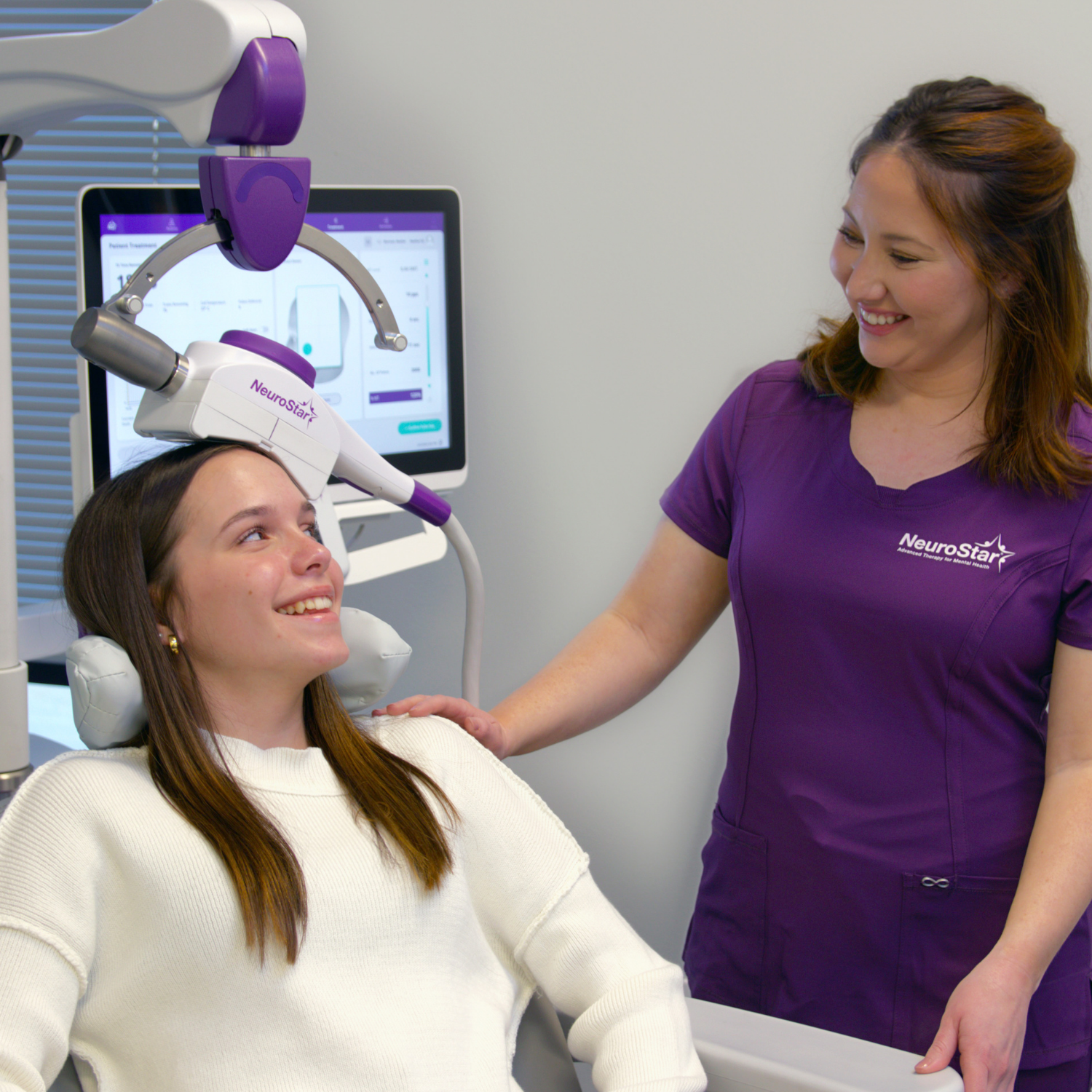
TMS works by delivering focused magnetic pulses to areas of the brain responsible for mood regulation, areas that research has shown to be underactive in people with depression.7 It is non-invasive, requires no anesthesia, and involves no systemic medication entering the body. Sessions typically last around 20 minutes and are conducted on an outpatient basis, meaning teens can go to school, come in for treatment, and continue living their lives. Greenbrook clinics across the U.S. proudly offer NeuroStar TMS, which can help families access care close to home.
The real-world results have been striking. In an oral presentation at the 2024 American Academy of Child and Adolescent Psychiatry (AACAP) annual conference — the largest study of its kind — data from 1,169 adolescent patients showed a 78% response rate and a 48% remission rate among those treated with NeuroStar TMS.8
For teens who have already tried antidepressants without adequate results, these outcomes offer a meaningful and evidence-backed alternative that doesn't require adding another medication to the equation.
If your teenager, aged 15 or older, is struggling with depression, antidepressants are not the only path forward. The mental health system has historically offered very few options for this age group. NeuroStar TMS changes that.
It is worth having a direct conversation with your teen's provider about TMS as part of the treatment plan. Because NeuroStar is FDA-cleared as a first-line adjunct treatment, it does not have to be a last resort. It can be incorporated early, alongside therapy and other support, rather than being tried only after medications have failed.7
Antidepressants are not the only option. And for many teens, it may not be the best one.
Question: Why look beyond antidepressants for teen depression?
Short answer: While SSRIs like fluoxetine, sertraline, and escitalopram are commonly prescribed and can help some adolescents, concerns include frequent side effects. Evidence for effectiveness in teens is mixed: a review of 24 studies (4,400 adolescents and young adults) found only fluoxetine clearly outperformed placebo for major depressive symptoms in this age group.
Question: What is NeuroStar TMS, and how does it work?
Short answer: NeuroStar TMS (Transcranial Magnetic Stimulation) delivers focused magnetic pulses to brain regions involved in mood regulation that tend to be underactive in depression. It is non-invasive, requires no anesthesia, and involves no systemic medication. Sessions are outpatient, typically around 20 minutes, allowing teens to attend school and continue daily activities during treatment.
Question: Is NeuroStar TMS FDA-cleared for adolescents, and who is it for?
Short answer: Yes. In March 2024, the FDA cleared NeuroStar Advanced Therapy as a first-line adjunct (add-on) treatment for Major Depressive Disorder in patients aged 15 to 21. “First-line adjunct” means it can be started early and used alongside therapy and other supports; it does not need to be reserved as a last resort after multiple medications have failed.
Question: How effective is NeuroStar TMS for teens?
Short answer: Real-world data presented at the 2024 American Academy of Child and Adolescent Psychiatry (AACAP) meeting—the largest adolescent TMS analysis to date—showed a 78% response rate and a 48% remission rate among adolescents treated with NeuroStar TMS.
Question: How can families access NeuroStar TMS, and when should they bring it up?
Short answer: If your teen is 15 or older and struggling with depression, you can ask their provider about including NeuroStar TMS in the treatment plan early, alongside therapy and other supports, since it’s FDA-cleared as a first-line adjunct.

Take our short quiz to see if TMS therapy or nasal esketamine could be right for you
Subscribe for mental health, self-care, and TMS therapy and nasal esketamine updates for those affected by treatment-resistant depression or OCD.
By providing your email address, you are consenting to receive blog updates from Greenbrook TMS Inc. You may unsubscribe from these alerts at any time by following the “unsubscribe” link at the bottom of email alerts. At Greenbrook TMS Inc. we take the privacy and security of your personal information seriously. To learn more about how we protect your personal information, please refer to our Privacy Policy.

Greenbrook supports an accessible internet. If you have any questions about our accessibility features, please contact us at
(855) 940-4867 or info@greenbrooktms.com.