NeuroStar® TMS Therapy
FDA-cleared, non-medication depression treatment
Existing Patients For Providers →
(855) 940-4867


Depression can affect anyone and doesn’t discriminate across race, gender, or socioeconomic class, but BIPOC (Black, Indigenous, and People of Color) communities and other groups can face additional challenges when accessing mental health care.
Depression can affect anyone and doesn’t discriminate across race, gender, or socioeconomic class, but BIPOC (Black, Indigenous, and People of Color) communities and other groups can face additional challenges when accessing mental health care. Whether you’re interested in learning more about the impact of mental illness or would like to find treatment for a mental health condition, we’ve compiled a list of resources and information from groups including Mental Health America (MHA), National Alliance on Mental Illness (NAMI), Anxiety and Depression Association of America (ADAA), and the U.S. Department of Health and Human Services Office of Minority Health (OMH) below.
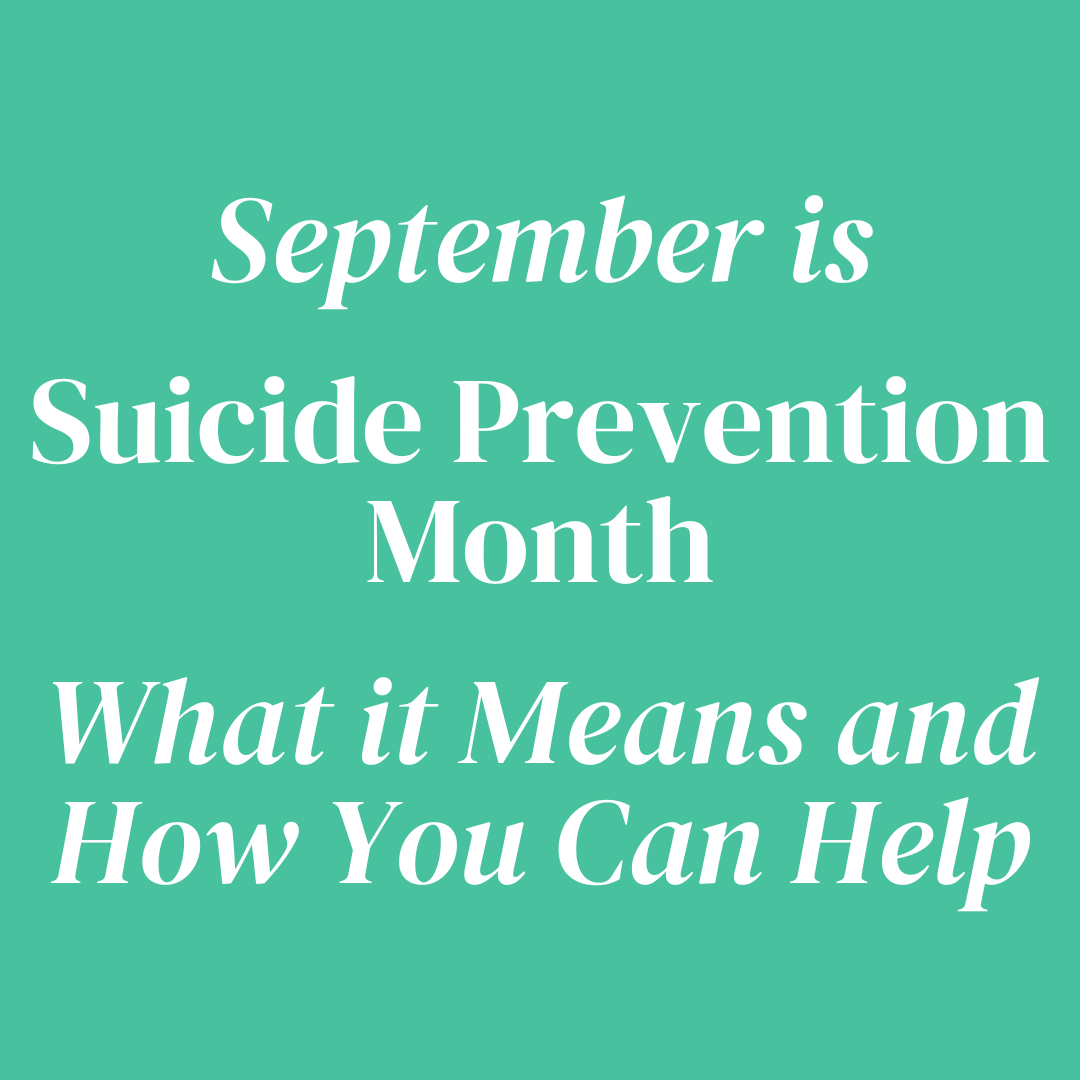
No matter who you are, we urge you to reach out for help if you’re struggling with your mental health.
For immediate help : If the situation is potentially life-threatening, get immediate emergency assistance by calling 911.
The National Suicide Prevention Lifeline is accessible through 1‑800‑273‑TALK (8255) or Live Online Chat and features trained crisis workers are available to talk 24 hours a day, 7 days a week. Your confidential and toll-free call goes to the nearest crisis center in the Lifeline national network. These centers provide crisis counseling and mental health referrals.
The SAMHSA National Helpline is available at 1‑800‑662-HELP (1‑800‑662‑4357) and is a confidential, free, 24-hour-a-day, 365-day-a-year, information service, in English and Spanish, for individuals and family members facing mental health and/or substance use disorders. This service provides referrals to local treatment facilities, support groups, and community-based organizations. Callers can also order free publications and other information.

Take our short quiz to see if TMS therapy or nasal esketamine could be right for you
Subscribe for mental health, self-care, and TMS therapy and nasal esketamine updates for those affected by treatment-resistant depression or OCD.
By providing your email address, you are consenting to receive blog updates from Greenbrook TMS Inc. You may unsubscribe from these alerts at any time by following the “unsubscribe” link at the bottom of email alerts. At Greenbrook TMS Inc. we take the privacy and security of your personal information seriously. To learn more about how we protect your personal information, please refer to our Privacy Policy.

Greenbrook supports an accessible internet. If you have any questions about our accessibility features, please contact us at
(855) 940-4867 or info@greenbrooktms.com.