NeuroStar® TMS Therapy
FDA-cleared, non-medication depression treatment
Existing Patients For Providers →
(855) 940-4867

When traditional antidepressants and talk therapy haven't given you the relief you deserve, you may feel hopeless that you will ever find relief from your depression. When multiple medications or talk therapy haven’t worked, it’s called treatment-resistant depression. But there are other treatment options available that are designed to help those with treatment-resistant depression. One of those treatments is Transcranial Magnetic Stimulation (TMS), and NeuroStar TMS is one of the most widely known and studied system used today. But what does the research actually show? And is it truly effective for people with treatment-resistant depression?
Here’s what you need to know.
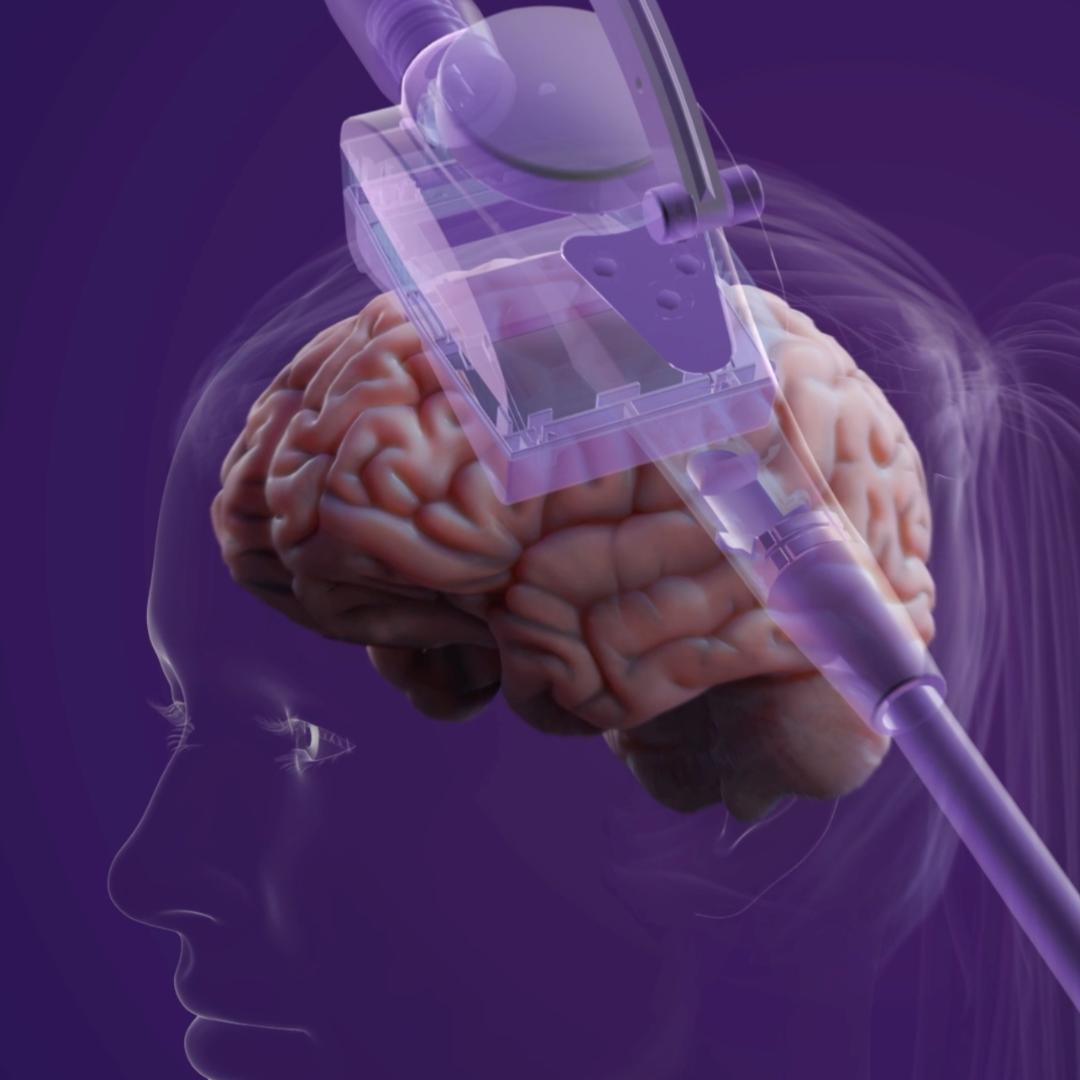
NeuroStar TMS is a non-invasive, non-drug therapy that is FDA-cleared for treating depression, anxiety with depression, and as an adjunct to obsessive-compulsive disorder.1 TMS uses focused magnetic pulses to reignite dormant synapses in the brain and help your brain function the way it was meant to.2,3
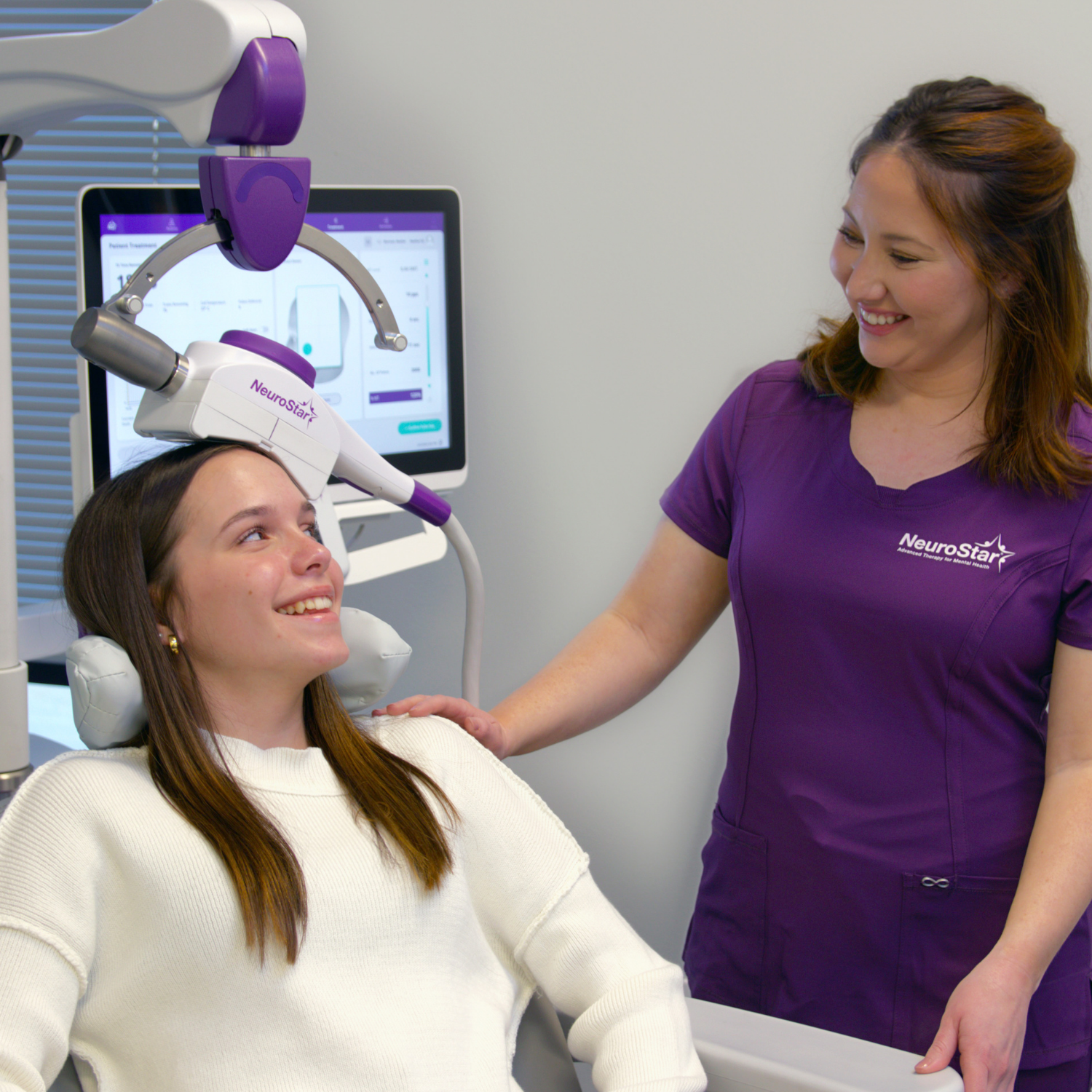
In a NeuroStar TMS session, a trained mental health provider places an electromagnetic coil against your scalp. The coil emits focused magnetic pulses that stimulate a part of the brain involved in mood regulation, especially the left dorsolateral prefrontal cortex, an area that may be underactive when someone is suffering from depression.
In a real-world study of NeuroStar patient, the data shows that:
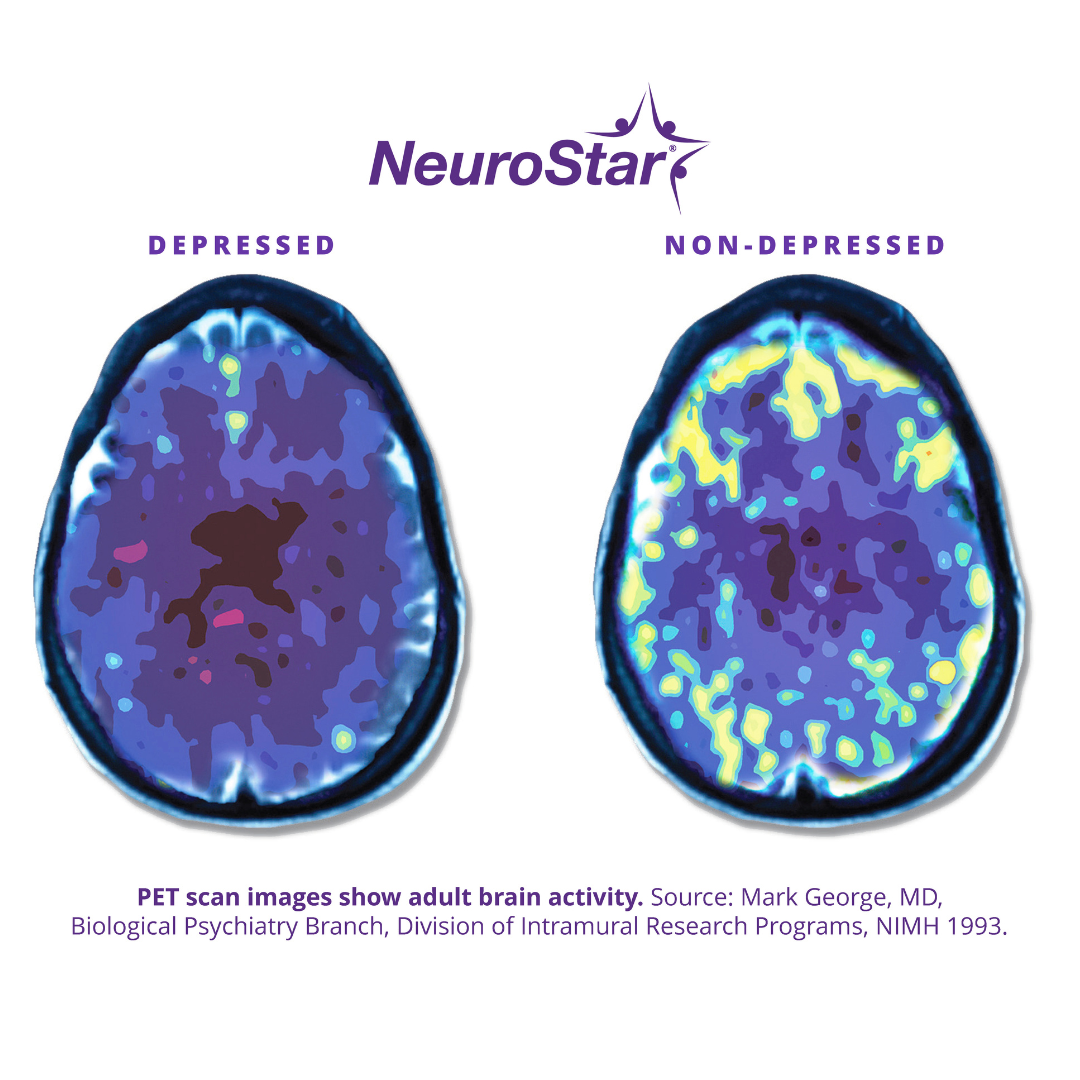
A published study demonstrated that NeuroStar patients could see depression remission lasting up to 12 months after treatment in adults with treatment-resistant depression.5
If you’ve tried multiple medications without sustained improvement, NeuroStar TMS may be particularly meaningful for several reasons:
NeuroStar TMS is a targeted treatment that treats depression at the source. It is not a drug, which means it does not cause many of the common side effects typically seen with antidepressants, like weight gain, sexual dysfunction, and sleep issues. The most common side effects with TMS are mild scalp discomfort or headaches in early sessions, which usually subside quickly.1
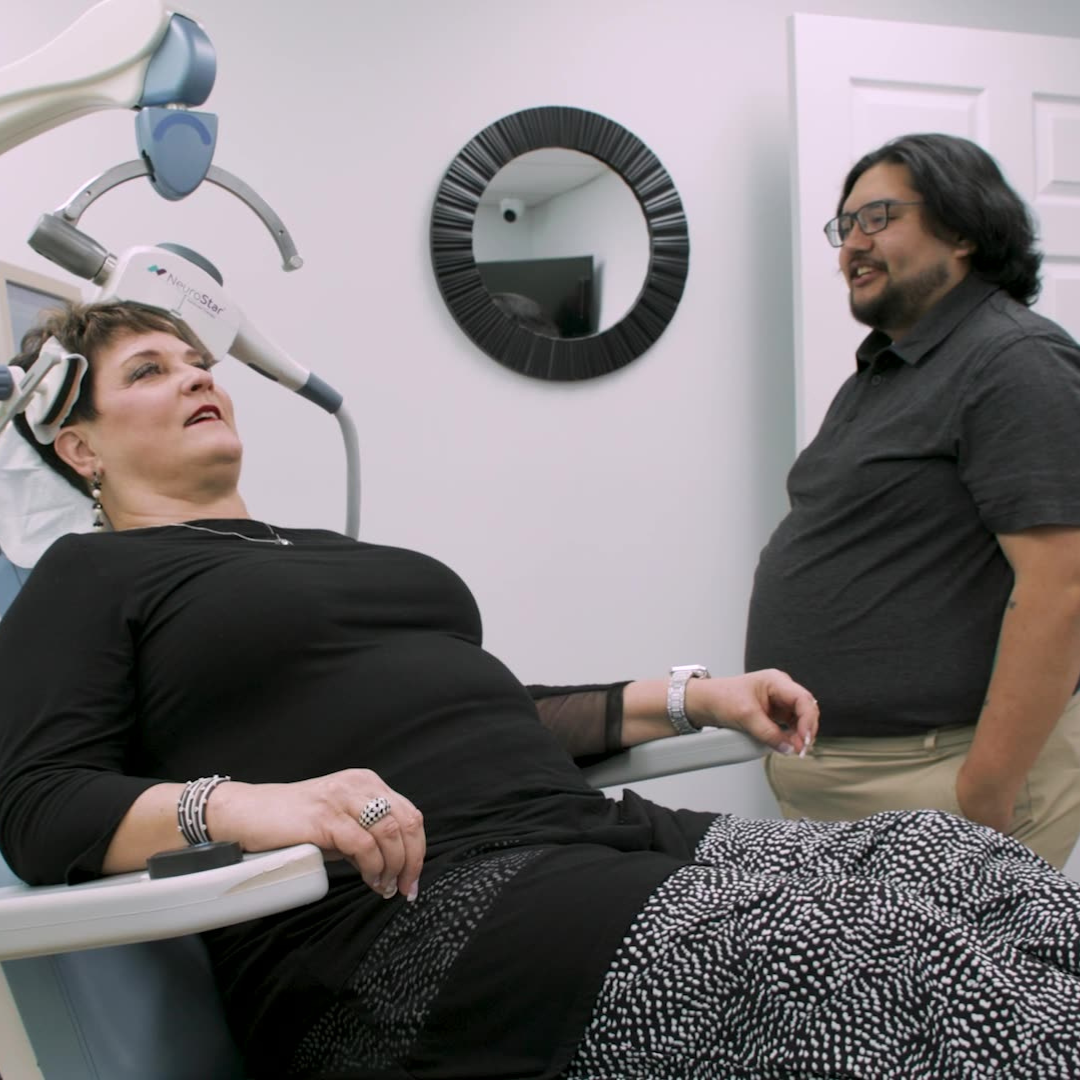
Treatments are given in a clinic, 5 days a week for 6-7 weeks, and you remain fully alert during sessions. There is no recovery period so you can return to your normal routine and activities. At Greenbrook, we offer flexible scheduling so you can schedule appointments around your day-to-day life.1
NeuroStar’s outcomes are supported by one of the largest real-world data sets for depression treatment and multiple clinical trials demonstrating NeuroStar’s efficacy and durability for people with treatment-resistant depression.
So, is NeuroStar TMS effective? Yes!
Research has indicated that it can provide lasting relief, and even remission, for many individuals with treatment-resistant depression. Since it works differently than other depression treatment options, NeuroStar TMS provides hope for those who typically haven’t felt relief from antidepressants or talk therapy.
Don’t just take our word for it. Hear from Greenbrook patients who have found relief from their depressive symptoms with NeuroStar TMS.
Schedule a no-cost consultation with Greenbrook today to explore whether NeuroStar TMS could be part of your path toward feeling better.

Take our short quiz to see if TMS therapy or nasal esketamine could be right for you
Subscribe for mental health, self-care, and TMS therapy and nasal esketamine updates for those affected by treatment-resistant depression or OCD.
By providing your email address, you are consenting to receive blog updates from Greenbrook TMS Inc. You may unsubscribe from these alerts at any time by following the “unsubscribe” link at the bottom of email alerts. At Greenbrook TMS Inc. we take the privacy and security of your personal information seriously. To learn more about how we protect your personal information, please refer to our Privacy Policy.

Greenbrook supports an accessible internet. If you have any questions about our accessibility features, please contact us at
(855) 940-4867 or info@greenbrooktms.com.